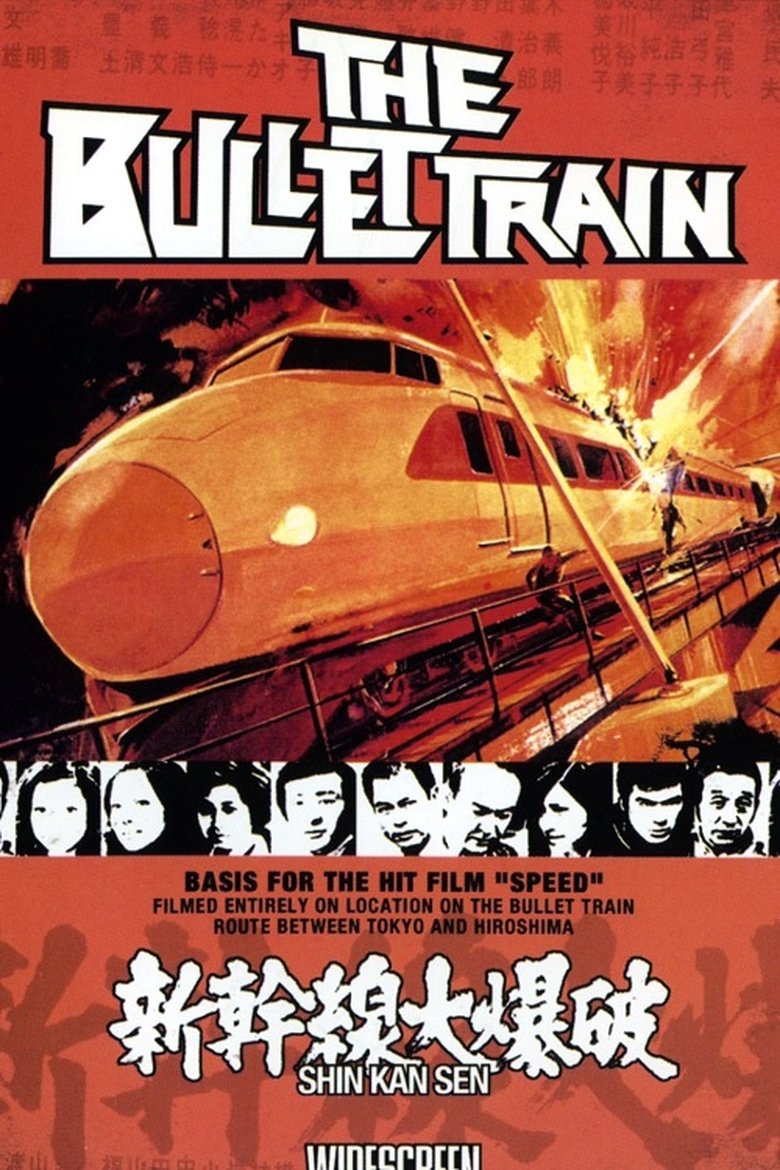
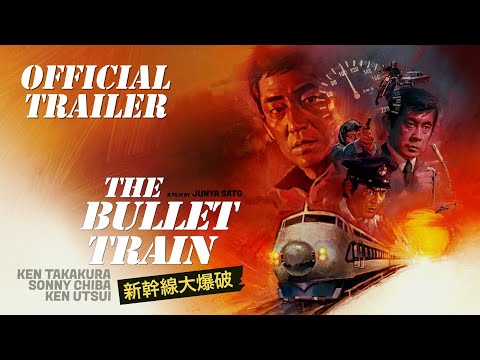
The Bullet Train (1975)
68% User Rating
2h 32min
"They said it couldn't happen... But for 1500 passengers Bullet Train 109 became a nightmare journey that just couldn't be stopped!"
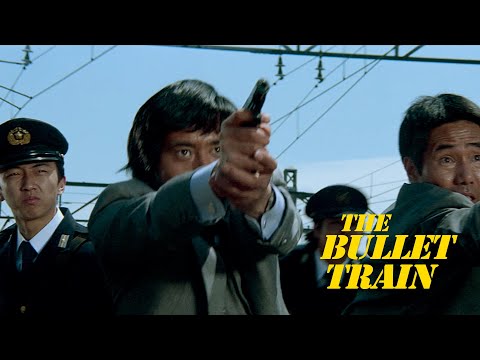
A Japanese bullet train is threatened with a bomb that will explode automatically if the train slows below 80 km/h, unless a ransom is paid. Police race to find the bombers so the train crew can learn how to defuse the bomb.
Junya SatōDirector























Reviews (1)
All Reviews
giant13
Rating 80%
January 16, 2022
In the early 70s, disaster movies started gaining popularity with the likes of <i>Airport</i> (1970), The <i>Poseidon Adventure</i> (1972), <i>The Towering Inferno </i>(1974), and <i>Earthquake</i> (1974). These movies killed it at the domestic and international box offices. Toei, one of the Big Four Japanese film studios at the time, noticed and wanted to take advantage of the trend. Japan’s famous bullet train system’s first two rail lines, Tokaido and San'yō, were opened in 1964 and 1972, respectively. The mode of travel was, to that point, synonymous with Nippon, so the Toei execs wanted to try and use the iconic Shinkansen. They brought in journeyman director/writer, Jun’ya Satô to help adapt Arei Katô’s book into the first big Japanese disaster movie (non-Kaiju). Satô wrote the first half and established Toei screenwriter Ryûnosuke Ono wrote the second; this took about a month to complete.
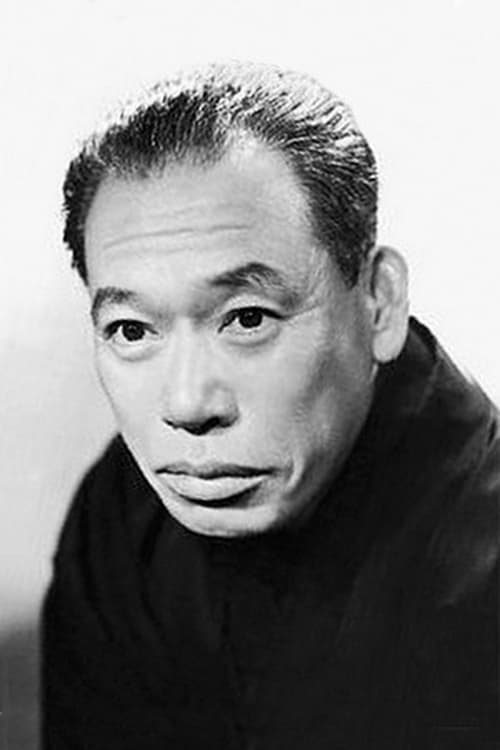
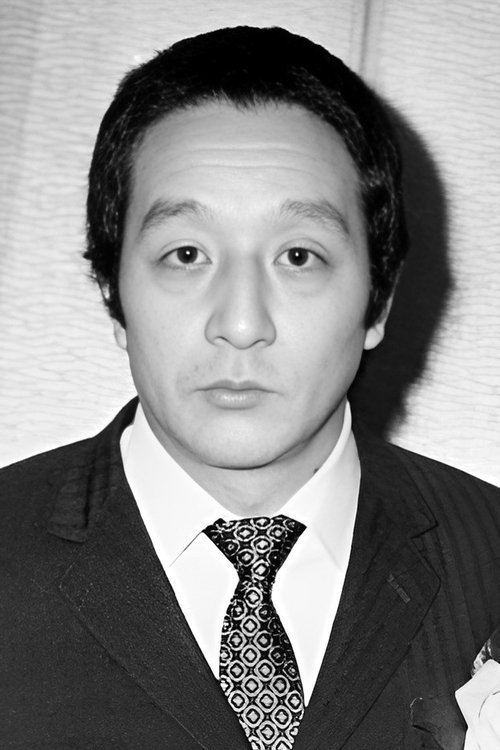
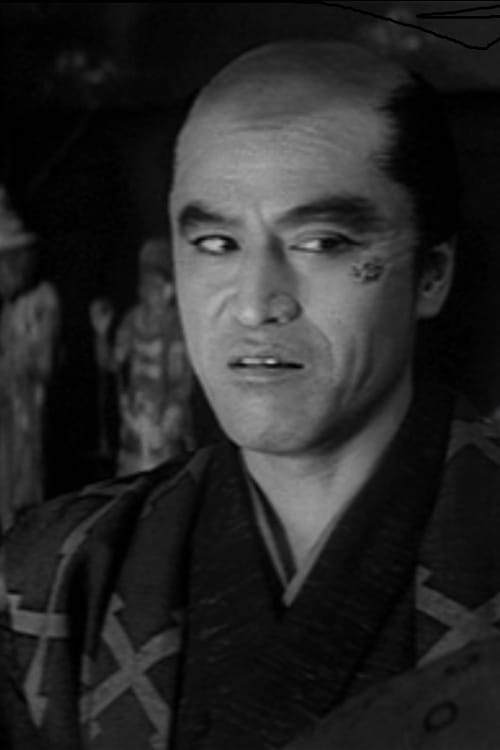
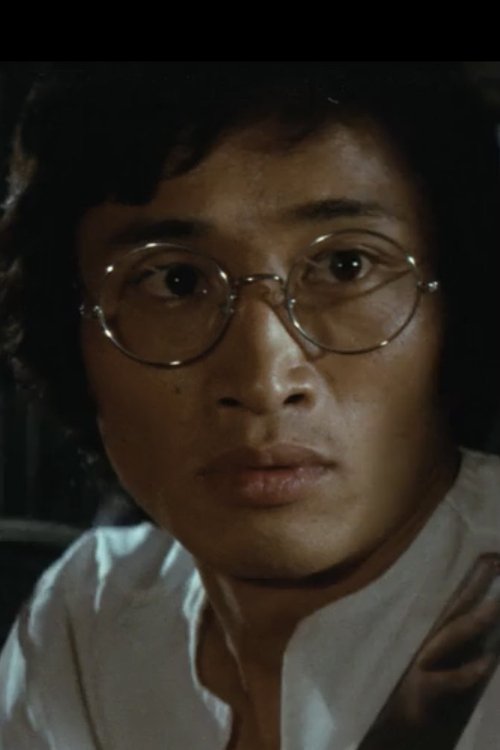
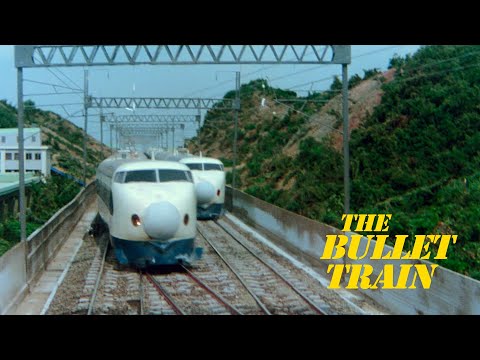
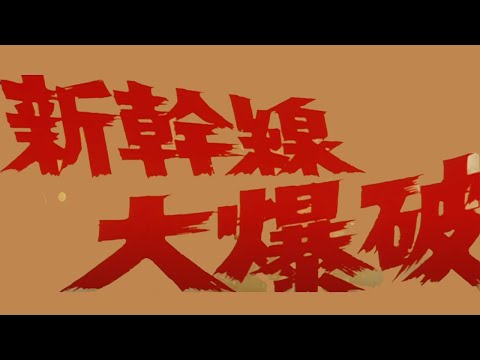
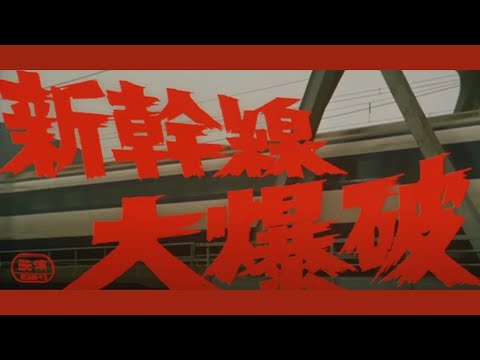
Initially Toei and Satô wanted international movie star Bunta Sugawara to play Okita, the main role; however, Bunta’s wife said that it wasn’t a good fit for her husband because “the train was the main character.” The role was then offered to Ken-san, who was trying to get released from Toei for years, and a deal was made for him to star. The role of Koga was written for Yoshio Harada, but his casting also didn't work out, therefore Toei got Kei Yamamoto to fill the role since he had a similar look to Harada. Since Toei was trying to follow the formula of the American disaster movies, they also casted Sonny Chiba, Tetsurō Tamba, Kunie Tanaka, Takashi Shimura, and more to make it a star-studded billing. Due to the Japanese title (<i>Shinkansen Daibakuha</i>, meaning "<i>Bullet Train Big Explosion</i>"), the Japanese National Railway (JNR) was not going to cooperate with the studio. A 1/20th scale model bullet train set was produced for most of the exterior action shots. The film finished shooting in about 40 days.
Shinkansen Daibakuha’s story follows three entities: the JNR, the police, and the societal rebel bombers. Due to the Japanese economic slowdown of the late 60s and early 70s, many people were dealing with hard times. Small business owners were losing their livelihoods. Young people were moving away from their countryside hometowns and working low wage jobs in big cities, such as Tokyo. The three bombers in then film all came from backgrounds dealing with financial strife, and they all wanted to do something about it. The three decide to hold a bullet train hostage with a bomb and extort billions of yen from the Japanese government.
The Hikari 109 (“light train 109”) is traveling from Tokyo to Hakata on both the Tokaido and San'yō bullet train lines, which is about a 700 mile stretch of track. The bombers, led by Ken-san, attach the bomb to the train and inform the JNR that the train will blow up if it slows down past 50 mph (80 km/h). With only several hours to prevent the bomb to go off, the JNR has to expertly guide the train through the long stretch of railway. The police’s role is to keep investigating the calls each time Ken calls to issue his demands to the JNR and Japanese government. The police try to continuously track and arrest the bombers to prevent the government from paying the ransom, sometimes conflicting with the JNR command station’s wishes. The train staff must deal with the passengers’ increasingly annoyance (and eventually desperation) without letting them know about the bomb on board. So of course, this provides the audience with suspenseful scenes throughout the long runtime with all three entities and the bystanders involved in the disastrous scenario.
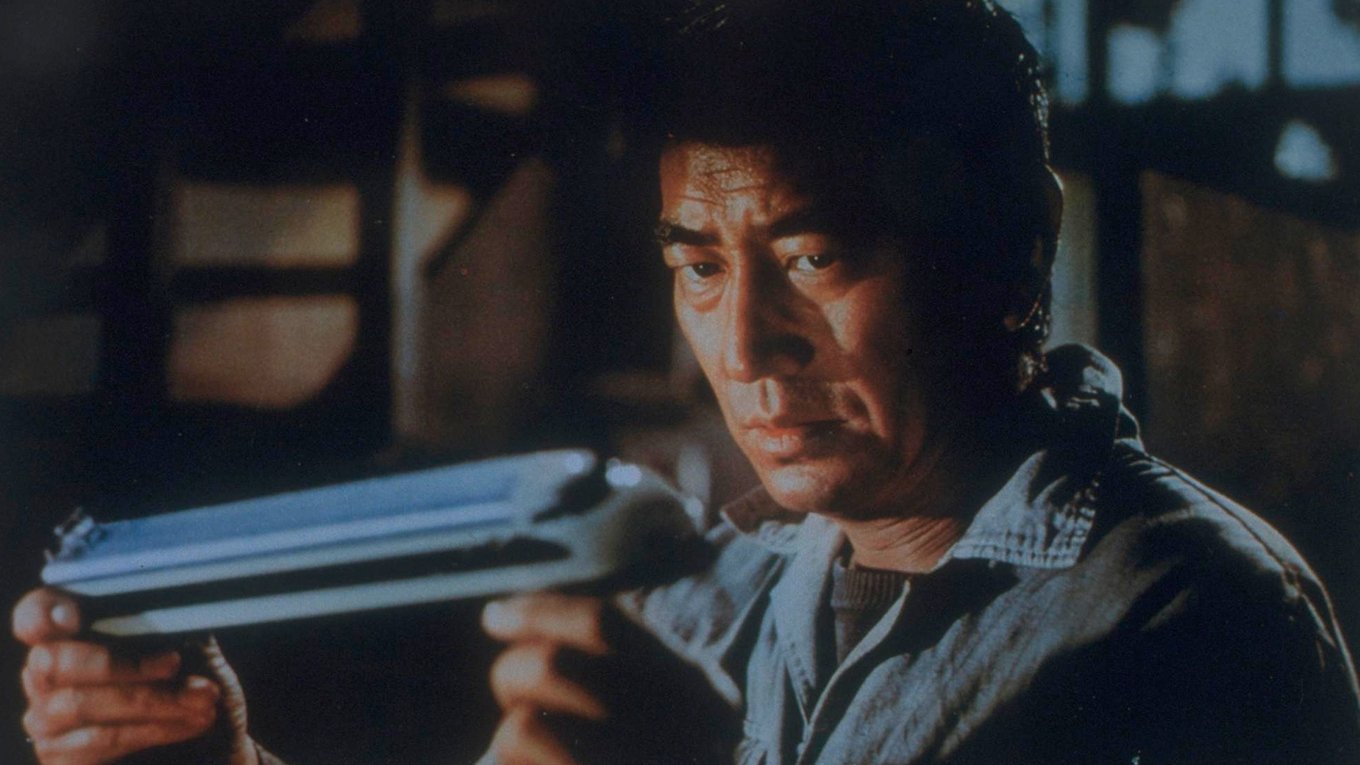
Speaking of runtime, Bullet Train is just over 2 and half hours long. I do think this will become problematic for some contemporary viewers. The long run time can be explained by the amount of time to cleanly resolve all story threads with the main players. In most movies such as these, a writer would not dare try to make sympathetic antagonists, but that’s just what Satô and company accomplished with this film. Takakura, the main focus, and his relationship with his fellow bombers exploit the humanism in us, the audience. You can tell that they don’t actually want to kill anyone, they just want a better life that they think they deserve–a common ideology throughout human history. Even though it’s through an immoral method, the viewer sympathizes and wants to cheer for them to get away with it. Both Ken-san’s screen presence and acting demeanor alone make the film work as a disaster / crime drama. Bunta Sugawara, a legend in the Japanese crime genre, would not have brought the same type of sympathetic nature to the table. Sugawara was a master at performing a menacing presence, not the sort of stoicism that Ken-san depicted in most of his pictures.
Some very notable aspects of the film that set it apart from other standard crime genre flicks are as follows. During the suspenseful scenes, you’ll see characters’ faces sweating more than 90 degrees on a humid August day–they all do it, and with that staple Japanese, facial snap-zoom. The soundtrack features tracks that evoke both Lalo Schifrin’s <i>Dirty Harry</i> jazz score and slow, swelling vocal harmonies akin to Ennio Morricone’s <i>A Fistful of Dynamite</i> theme. The set designs and shooting locations are extensive and realistic–apparently the actual JNR control room was secretly filmed, by a German actor pretending to be an engineer, to provide Satô with the means to create the JNR control room in the movie. The bomb wiring explanation is feasible and realistic, which was based off of Satô’s past experience with radios. Finally, the train engineer Aoki was written to be a passive character, but Sonny Chiba made the character very animated that added depth to the train scenes that wasn’t intended by the screenplay.
<i>Bullet Train</i> did not receive the type of marketing it deserved from a company like Toei, so it did not do well at the Japanese box office initially. Thanks to the film’s French box office success, released 6 months later as <i>Super Express 109</i>, the film was able to earn a re-release in Japan late with the proper advertising this time and it was a hit. Unfortunately, the film was butchered when cut for other international releases, totally removing all back story for the bombers and reducing the runtime to 115 minutes, which hurt its reception in the USA. Although one can recognize this as the direct inspiration for other American action films like <i>Speed</i> (1994), it's settled that <i>Bullet Train</i> has earned its spot in cinema history as an essential Japanese disaster flick alongside the likes of Godzilla flicks like <i>Ghidorah, the Three-Headed Monster </i>(1964) and Kenji Fukasaku’s <i>Virus</i> (1980).
Media
Recommended