There Is No Evil (2020)
75% User Rating
2h 31min
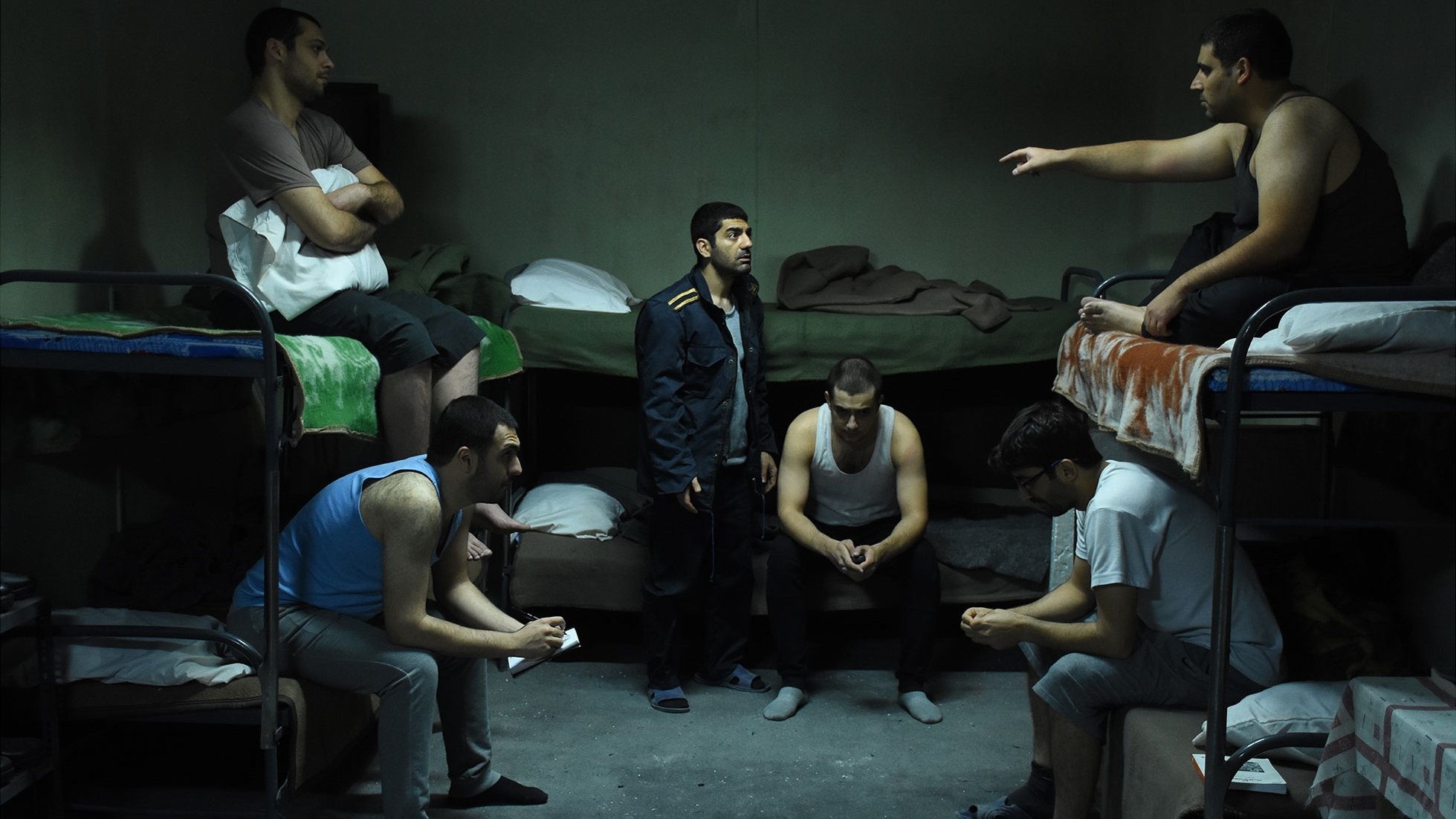
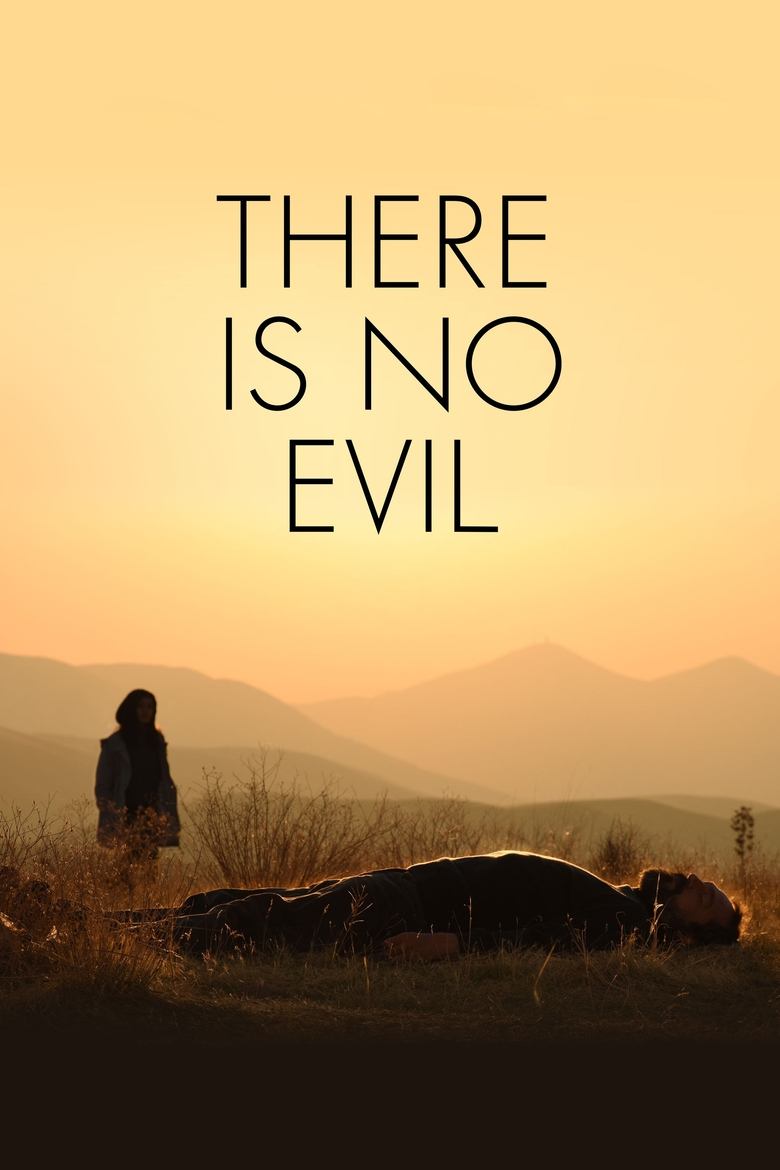
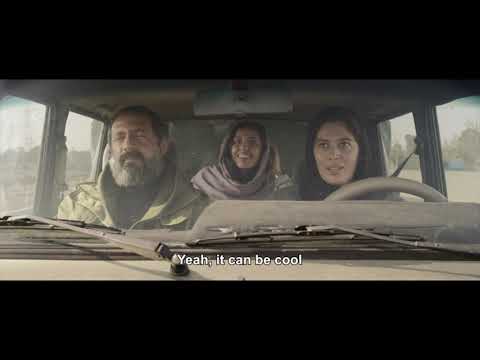
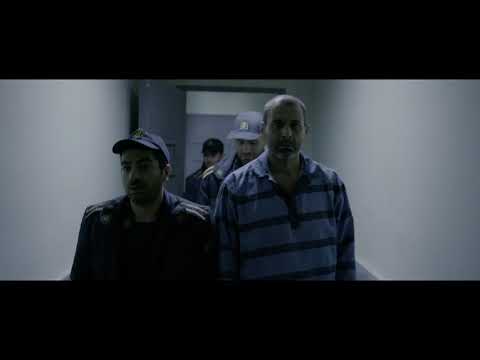
Set against the backdrop of Iran's strict and oppressive legal system, this anthology film tells the stories of four men who each face a moral crisis when having to deal with death penalties.
Mohammad RasoulofDirector




Reviews (1)
All ReviewsB
badelf
Rating 80%
November 13, 2025
Kudos to Mohammad Rasoulof for making a film banned by Iran's authoritarian government. The subject matter alone demonstrates extraordinary courage: four separate stories exploring how ordinary people navigate complicity, conscience, resistance, and moral responsibility when faced with, or forced into, state-sanctioned execution.
What makes "There Is No Evil" particularly powerful is how it refuses easy answers. Each segment presents a different relationship to capital punishment—those who participate, those who refuse, those who live with the consequences, those who flee. Rasoulof understands that evil isn't an abstract force but the accumulation of choices made under pressure, the compromises ordinary people make to survive within brutal systems.
It's tempting to view this as a distant problem, something happening in a country fairly remote to the Western world. But that distance is an illusion. The trend of governments in the Western world is moving toward the authoritarian mode of Iran. Maybe not as severe yet, but nonetheless a profound concern for those of us who believe in humanitarian rights. "There Is No Evil" isn't just about Iran; it's a warning about what happens when citizens stop resisting, when complicity becomes normalized, when good people choose silence.
This is a powerful film. It really hits hard.
Media

Recommended